

I. Design differences
Board-to-board connectors and traditional connectors in the design of certain differences. Traditional connectors are mainly considered cable connections and use a lot of threads and keying structures to ensure the reliability of the connector. For board-to-board connectors, it is mainly designed to connect circuit boards, so their design is more compact and detailed, providing a more reliable and stable connection to the board.Wire To Board Connector
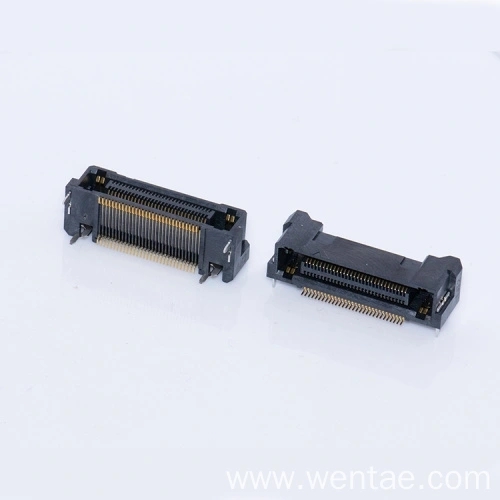
Conventional connectors are mainly used to connect two ends of a cable, for example, for connecting a monitor to a computer. For board-to-board connectors, it is mainly used to connect different modules and components inside the circuit board. They therefore have a different connection concept and differ in their operation.Power Connector
Third, the connection requirements are different
There are also some differences between board-to-board connectors and conventional connectors in terms of connection requirements. As board-to-board connectors are used to connect modules and components within a circuit board, they require a more stable and reliable connection to ensure the proper functioning of the entire system. In addition, the board design process, the board-to-board connector design also needs to meet certain specifications and requirements to ensure the compatibility and consistency of the connector with other components on the board.
Fourth, the scope of application is different
Board-to-board connectors are suitable for connecting modules and components inside the board, while traditional connectors are mainly used to connect the two ends of the cable. Therefore, there are some differences in the scope of application. If you want to connect between two different circuit boards, you can only use the traditional connector, but not the board-to-board connector.
Five, different connection methods
Traditional connectors mainly have plug, bayonet and threaded connections and other connection methods, while board-to-board connectors are used to solder, crimp, flip card connections and other connection methods. The differences in these methods also reflect the different designs and uses of the connector.